1
Add your book
Title, description, genre, price, sales link and cover. A sample chapter if you have one — it sharpens everything downstream.
Write the book. Then sell it.
Create professionally structured, beautifully designed books from one idea — without starting from a blank page. Then find the readers and run the campaign, in the same place.
Free plan, no card required. Explore the full product with sample data before you sign up.
Your manuscript is never used to train any AI model, ours or anyone else's. How we handle it →
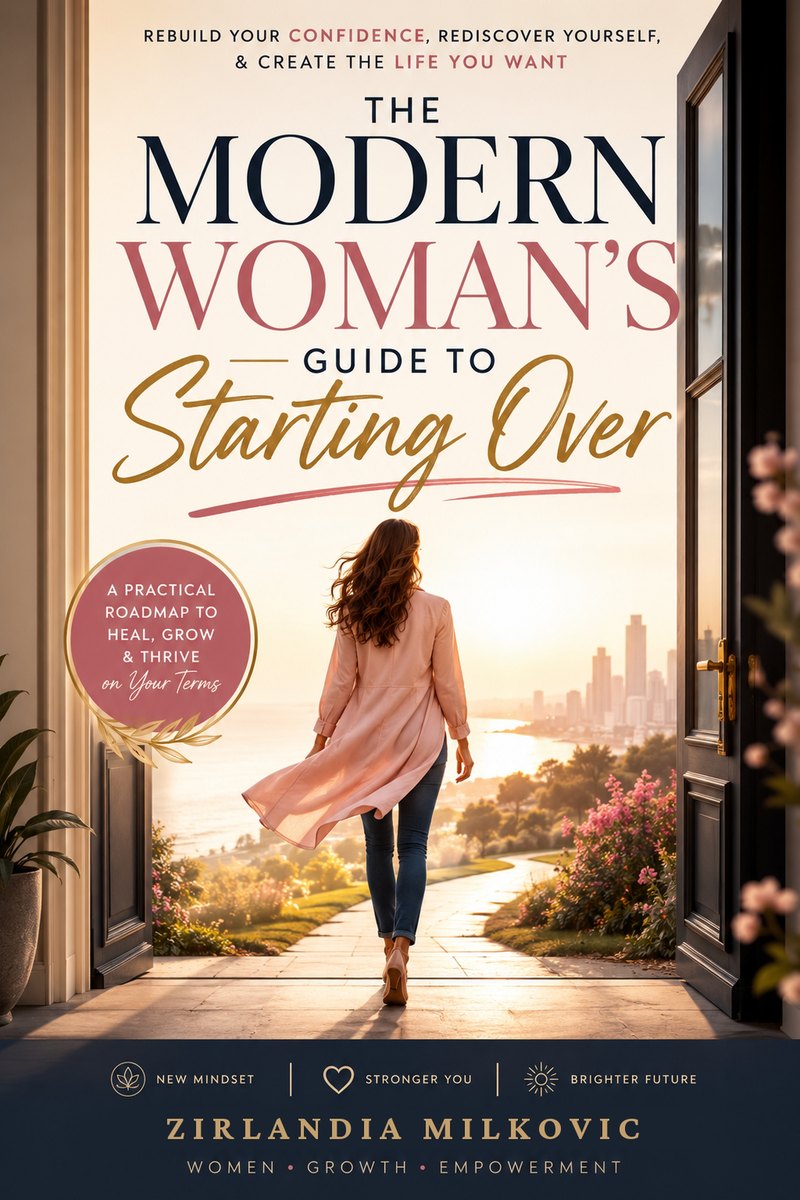
Best audience: The Woman Rebuilding Her Life · 35–52
Best creative: “Starting over isn't failure”
Example interface. Figures are illustrative, not results from a real campaign.
Sample covers
The cover, the interior and the campaign stay attached to the book, from the first draft to the first ad.
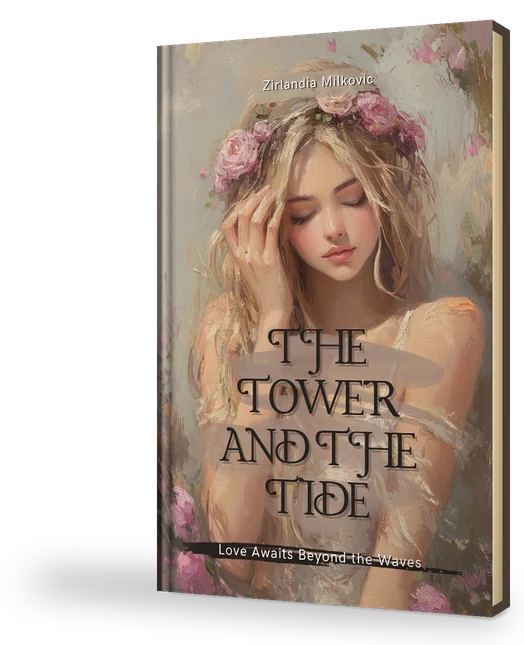


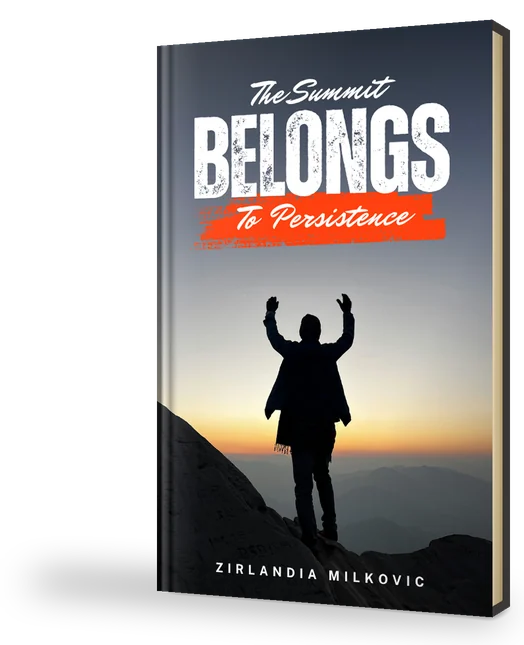
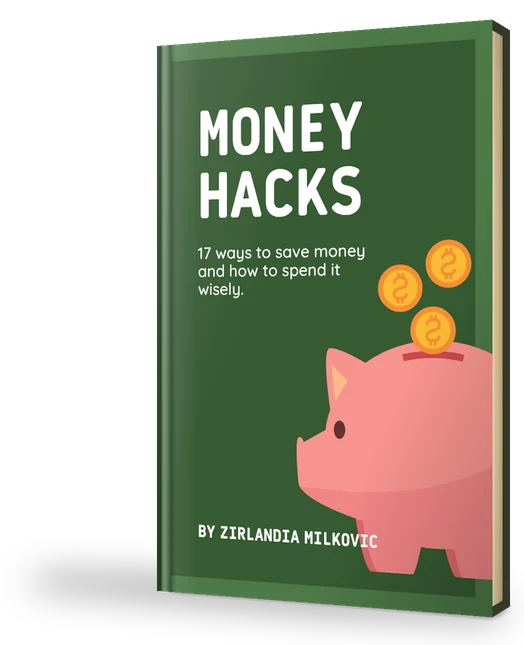
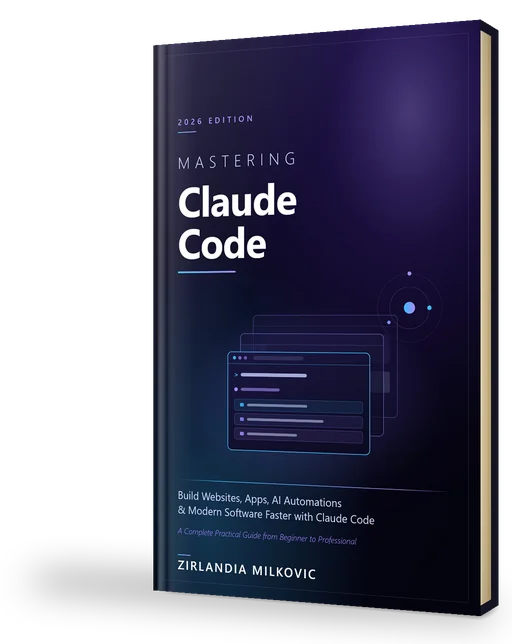
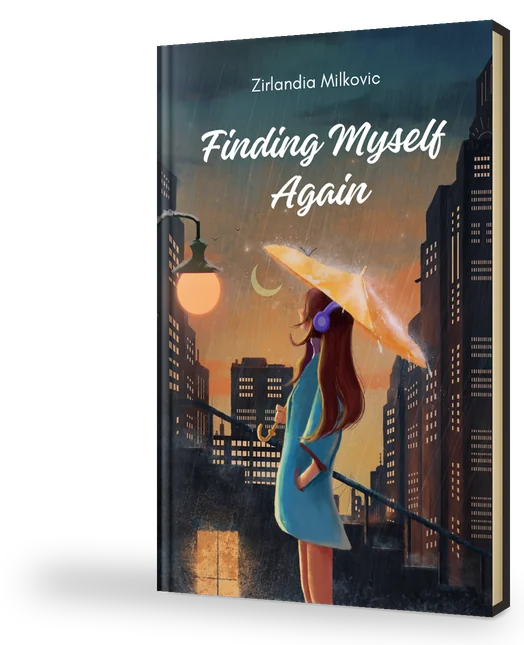
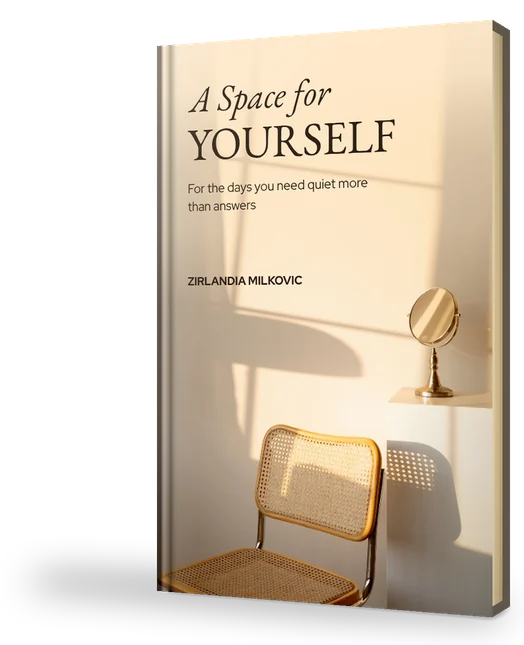

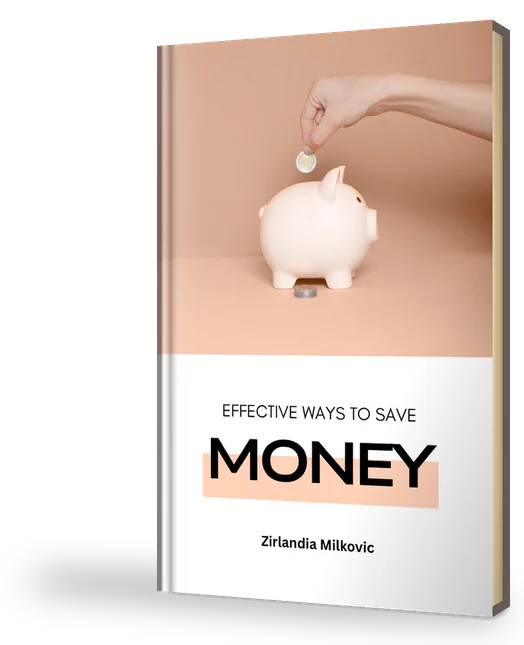

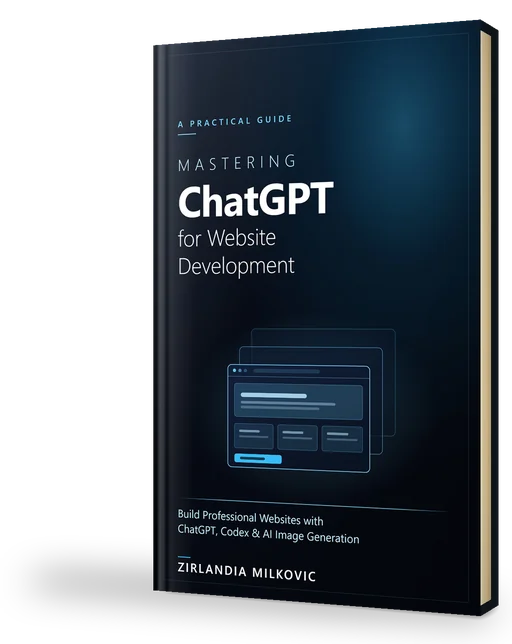
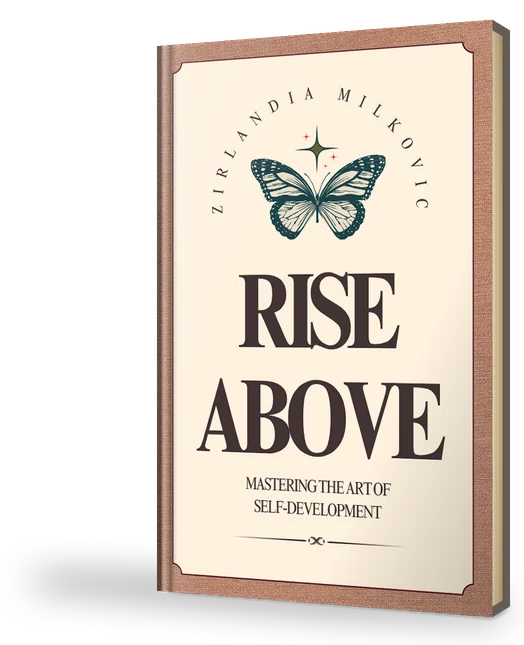
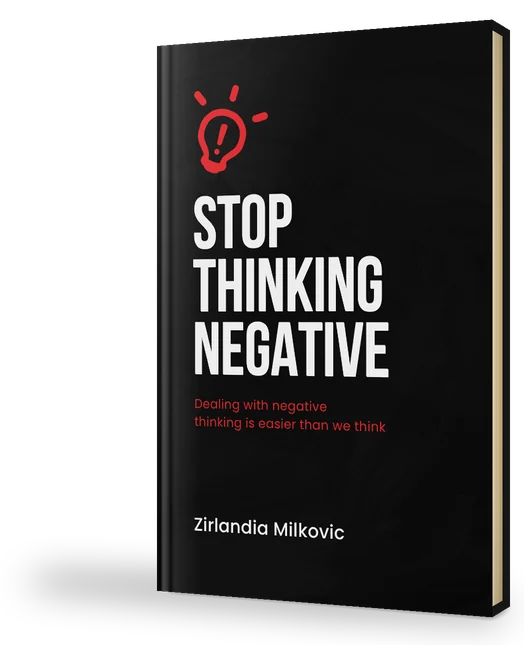
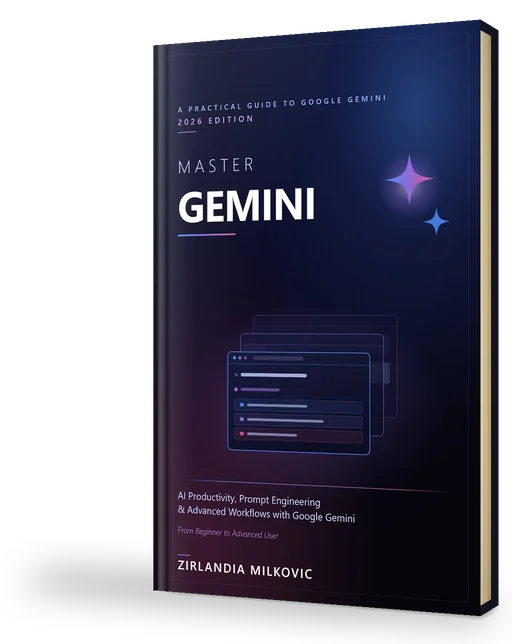
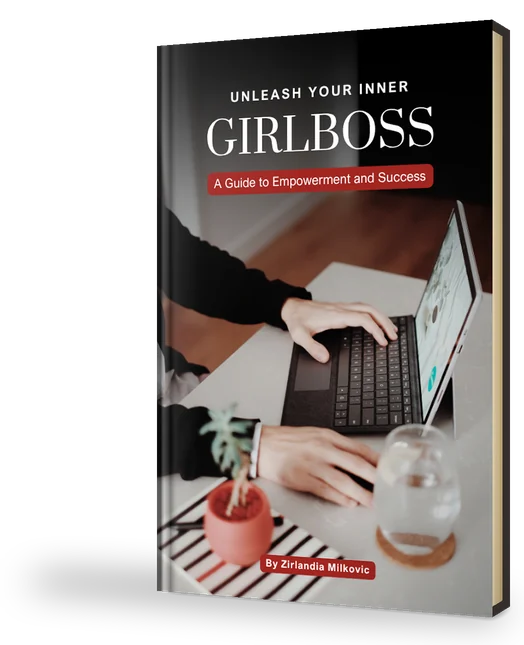
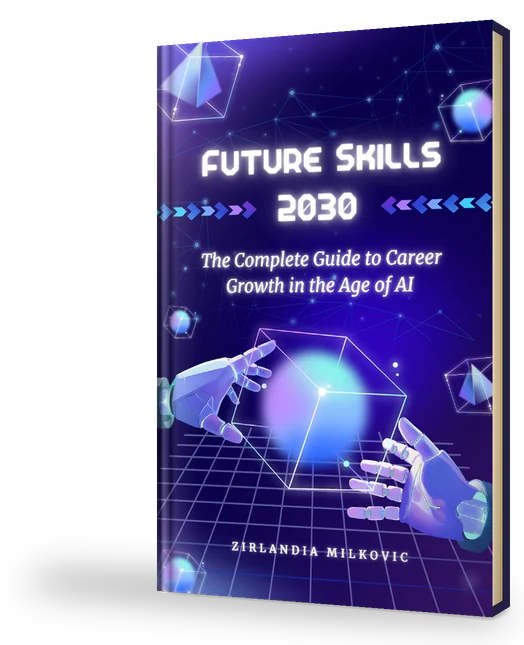
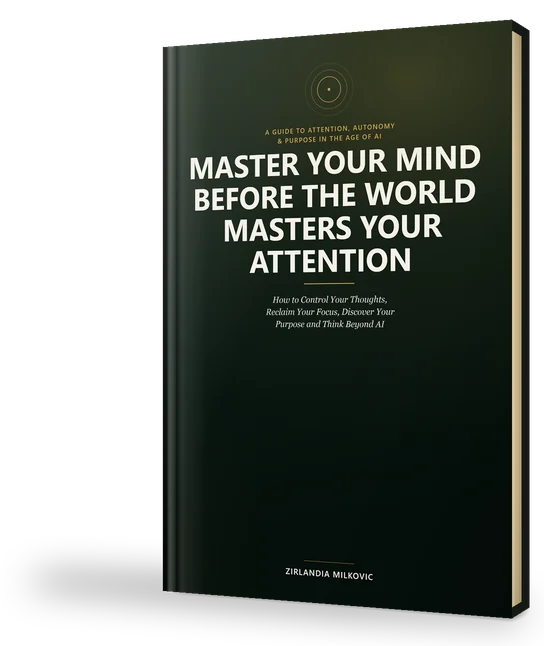
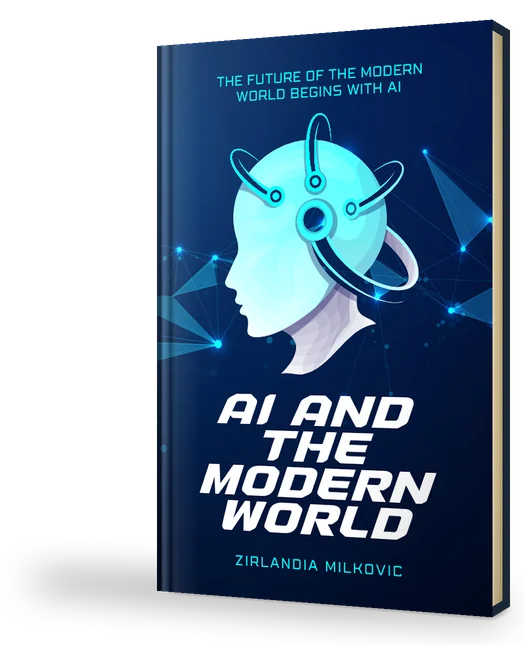
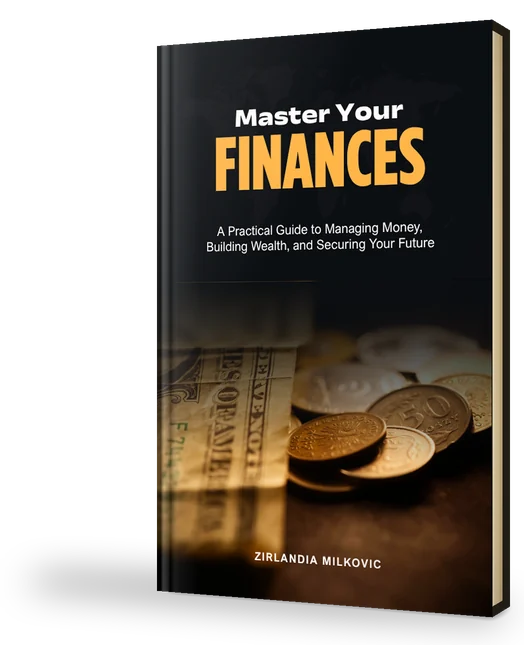
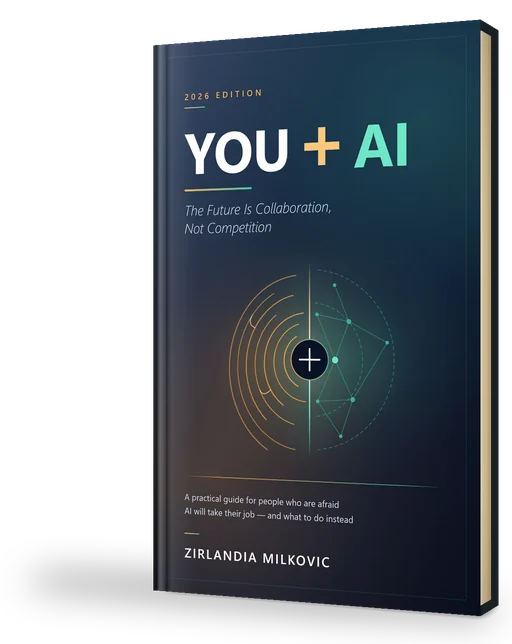
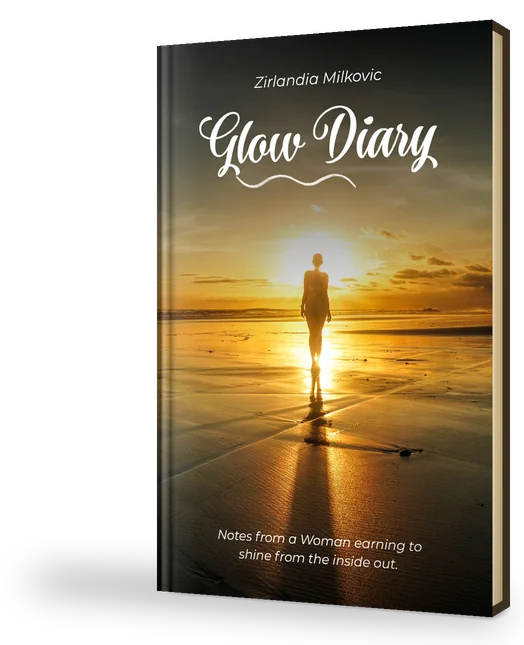
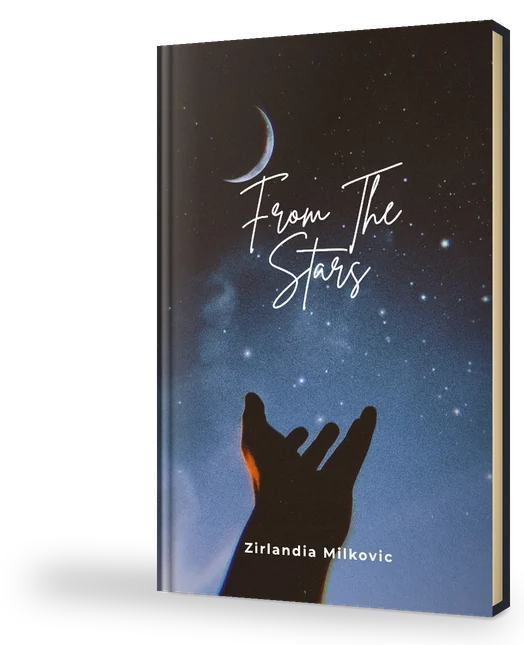
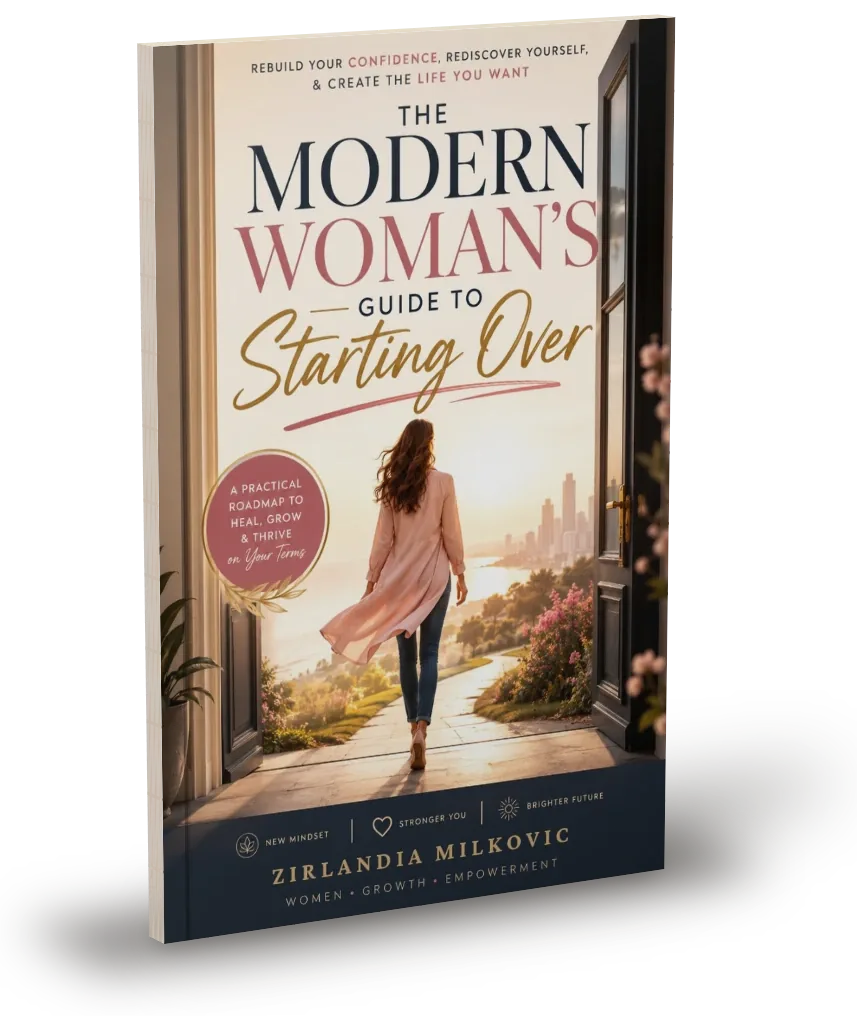
Example covers, shown to illustrate the range of styles. They are not results, endorsements or books sold through BookPilot.
The problem
Most authors publish into silence — not because the book is weak, but because advertising is a second profession. These are the walls people hit.
“Women 25–65 who like reading” is not an audience. Knowing which reader to speak to is the whole game, and nobody teaches it.
Ad copy and back-cover copy are different crafts. A description that sells a browsing reader stops a scrolling one cold.
A cover on a plain background is not a creative. Reels, carousels and quote graphics each want their own idea.
Campaigns, ad sets, ads, objectives, learning phases, budgets. A tool built for agencies, handed to a novelist.
One ad is a guess. Testing needs several angles at once and the patience to let them run.
Clicks are easy to see. Whether any of them became a sale — and what that sale cost — is the number that decides everything.
Book Builder
Describe the book in a sentence. Approve the positioning, the structure and the voice. Write it chapter by chapter with a writer that has read your plan — and set it in a real interior design, with real pages.
One or two sentences. Ten titles, a promise, a reader and an angle come back. You choose.
Parts, chapters, word budgets that add up to the length you asked for, and where the exercises and figures belong. Drag to reorder.
Each chapter written against a Book Bible, so chapter nine still agrees with chapter two. Every draft you replace is kept.
Eight interior designs, each a complete one: margins, running heads, chapter openers. The preview is the printed page, not a picture of it.
Print-ready PDF with a real gutter, EPUB for e-readers, Word for your editor, HTML for the web.
A campaign written from the finished book — quoting the actual argument, naming the actual chapter. Then advertise it here too.
Not one prompt doing everything. A Book Architect designs the structure, a Book Writer writes it, an Editorial Director marks it, a Visual Director chooses the figures, a Cover Designer works on the cover, a Quality Controller checks it before it goes out.
Every one of them reads the same Book Bible first — the voice, the vocabulary, the claims, what each chapter already established. That is what makes it a book rather than a collection of essays about the same subject.
Writer → editor → designer → illustrator → marketer → publisher
Six handovers, six schedules, six invoices.
One workspace. One book. You approve every stage.
The book, its design, its cover and its campaign stay attached to each other.
Five written chapters, a full blueprint, a designed interior and a cover — clearly labelled as sample data. No account needed.
Series memory
A series is not a pile of separate books. Voice, vocabulary and the promises you have already made to the reader carry from one volume to the next, so Book 4 starts where Book 3 ended.
Your library · The Mastering series
Book 1Mastering ChatGPT
Book 2Mastering Claude Code
Book 3Master Gemini
 Write Book 4inherits everything
Book 4one click away
Series DNA, inherited by every volume
Roadmap preview — series memory is not in the product yet. The covers are real books from one author's list, shown as an example of what a series shelf will hold.
Relationship map
The people in your book are written down once, with what they want, what they hide and how they are tied to each other. Every chapter is then written against that record.
Relationship map · The Lantern Coast
Lighthouse cartographer · Protagonist
Arc milestones
Retired keeper · Wren's mentor
Arc milestones
Ferryman · Wren's younger brother
Arc milestones
Lamp-boy · Wren's apprentice
Arc milestones
Harbour-company captain · Antagonist
Arc milestones
Harbour-master · Kind to everyone
Arc milestones
Recorded once in the Book Bible, then checked against every later chapter.
Roadmap preview — the relationship map is not in the product yet. The cast is invented for this example and the portraits are placeholder illustrations.
Languages
Choose the language once, when you create the book. Every stage after that works in it.
One workspace, one Book Bible, eight languages.
English, German, French, Spanish, Italian, Portuguese, Dutch and Croatian. As with any language, read it before you publish.
From idea to finished files
How it works
Six steps, in the order a marketer would actually take them.
Title, description, genre, price, sales link and cover. A sample chapter if you have one — it sharpens everything downstream.
BookPilot reads the book the way a publisher's marketing lead would and proposes three to five reader personas with the reasoning behind each.
Ten or more marketing angles across emotional, curiosity, transformation and practical categories — then copy and creatives for the ones you pick.
Connect your own Meta ad account. Campaigns are built paused and only start spending when you say so.
Spend, clicks, conversions and revenue in one dashboard, with website-attributed and Amazon-attributed sales kept clearly apart.
The advisor points at what the numbers support: which creative to keep, which to rest, and what to test next.
Real screen recordings of the demo workspace for each step — not illustrations, and not results from a real campaign.
AI reader intelligence
Generic ad tools start from a product and an audience you supply. BookPilot starts from the manuscript. It reads topic, genre, description, themes and the emotional and practical reasons someone buys a book like yours — and shows its reasoning, so you can disagree with it.
Pain points
Feeling stuck; uncertainty about what comes next; a life transition she didn't choose.
Motivation
Wanting a clear, practical path into a new chapter rather than encouragement alone.
“Starting over doesn't mean starting from nothing.”
Example output for a sample book. Personas are built from interests and life stage — never from health, religion, ethnicity or other protected characteristics.
Creative factory
Instagram Reels, Stories, Facebook ads, quote graphics, book mockups and carousels — each one tied to a specific reader and a specific marketing angle, so you always know what a creative was testing.
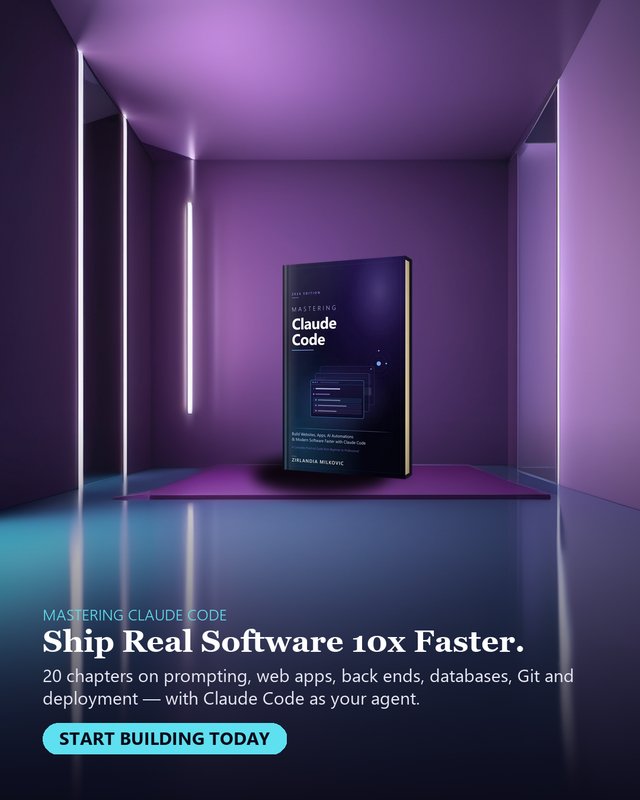
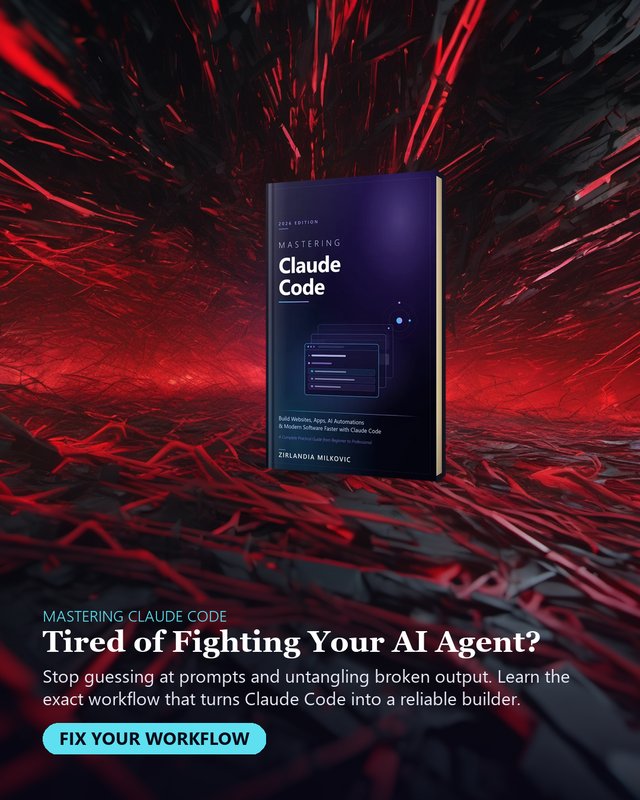
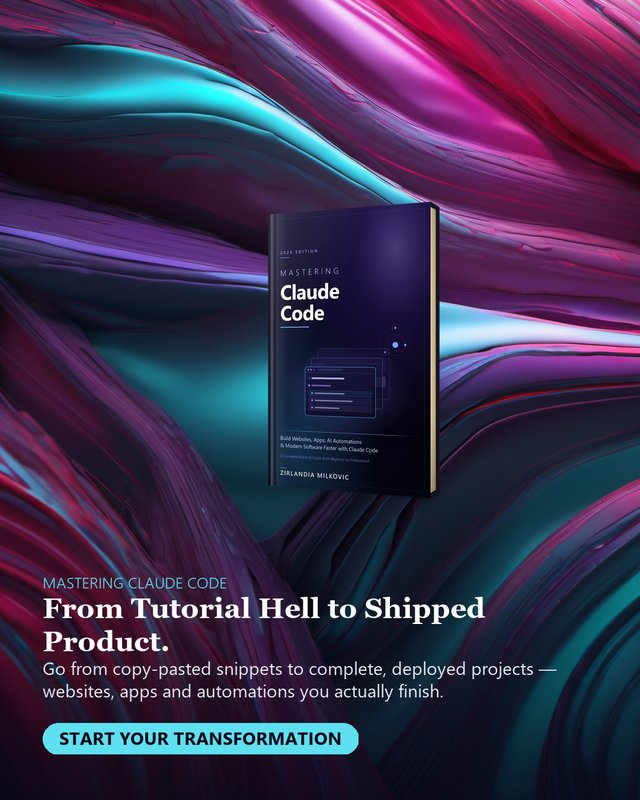
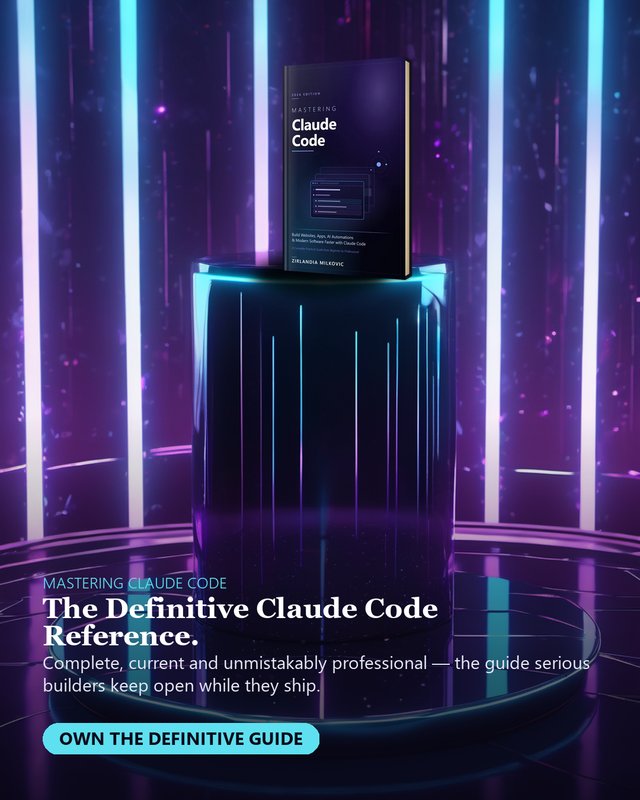
Four real, rendered creatives for one of our own books, Mastering Claude Code — not illustrated mockups. BookPilot writes the copy and the art direction for every creative; this is what image rendering looks like where it has shipped.
Performance intelligence
Spend, clicks, click-through rate, cost per click, conversions, cost per acquisition, revenue and return on ad spend — calculated from your campaign's own data. Where there isn't enough data yet, BookPilot says so instead of showing a zero.
Illustrative figures from the sample campaign in the demo workspace — not results from a real book.
AI recommendations
The advisor looks at what your campaigns actually did and tells you what it supports — including when the honest answer is “not enough data yet”. It recommends. You decide. BookPilot never increases your spending on its own.
“What should I do today?”
Creative #4 is generating a materially higher conversion rate than Creative #1 over 620 clicks — enough to act on, not enough to bet the whole budget on.
Example answer using the demo workspace's sample campaign.
Getting started
You make the decisions. BookPilot does the drafting, the typesetting and the tracking.
One or two sentences. Ten titles, a promise, a reader and an angle come back, and you choose the ones you like.
Approve the blueprint, then write chapter by chapter against your Book Bible. Pick an interior design and a cover.
Get a PDF with a real gutter, an EPUB, Word or HTML. Upload it wherever you sell, then build the campaign here.
Begin on the free plan, no card required. When it is paying for itself, the Author plan is €19 a month.
Pricing
All prices in euros, excluding VAT. Your advertising budget is separate and always goes directly to the ad platform.
FAQ
No. You connect your own Meta ad account, and Meta bills you directly. BookPilot creates campaigns paused; nothing spends until you launch it, and the advisor never raises a budget on its own.
Not directly — nobody can. Amazon does not expose per-ad sales data to third-party tools. What BookPilot supports is Amazon Attribution: if you have an eligible Amazon Attribution account, its clicks, detail-page views, add-to-carts and purchases can be imported and reported alongside your ad spend. Amazon-attributed sales are always labelled separately from sales tracked on your own website.
No, and be careful with any tool that says it can. Every generated creative gets a predicted-quality score — a judgement about hook, clarity and audience fit before it runs. What actually sells is decided by campaign data, which is why the analytics and the advisor exist.
No. Every prompt is bound by rules that forbid inventing awards, bestseller status, review quotes, sales figures, endorsements or guaranteed outcomes. If you supply real review text, it can use that. If you don't, it writes copy that works without it.
Sample text you upload is used to analyse your book and generate marketing material, and is stored in your account. It is never used to train a model, never shared with other users, and you can export or permanently delete everything from Settings at any time.
No. The campaign builder asks about your book, your reader and your budget, and translates that into the campaign, ad set and ad structure Meta expects. You can still open Ads Manager and change anything — it's your account.
Yes. The demo workspace runs the whole product on a sample book, with every screen marked as demo data. No account, no card, nothing to cancel.
The product is built for European users: data export, account deletion, consent records and privacy settings are in the app itself. See the privacy policy for the detail. It isn't legal advice, and it doesn't replace your own obligations as a controller of your readers' data.
Add your book, meet your readers and build your first campaign in an afternoon.